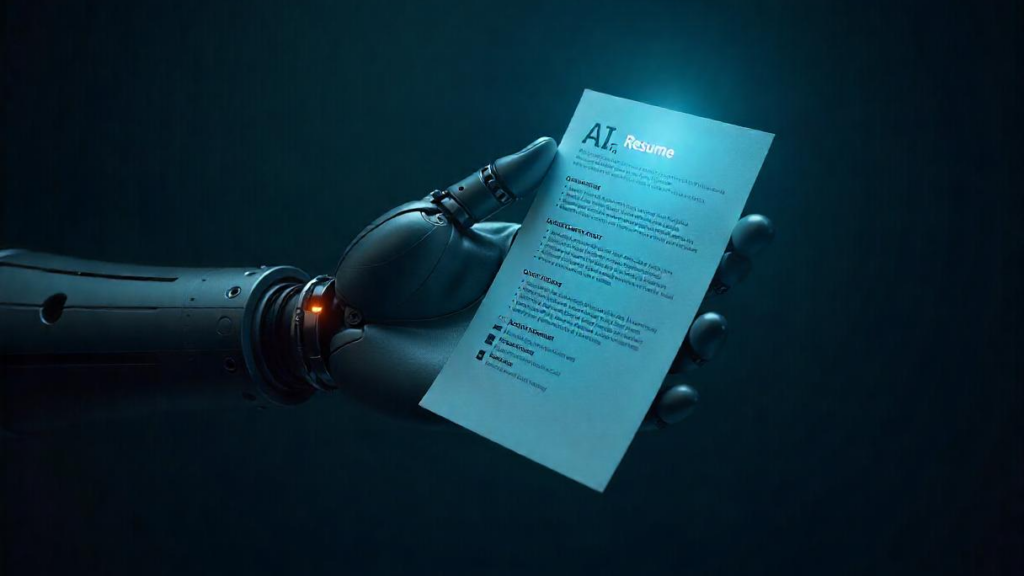
What used to be a straightforward part of hiring, ringing a former manager or checking a referee’s email, is now a complex trust exercise. AI writing tools, spoofed email accounts, professional “reference services,” and constructed online personas make it easier than ever to create convincing but false employment histories. At the same time, intense competition for jobs and pressure on candidates create the market for these services. The result: organisations that rely on old‑style reference checks can be vulnerable to serious operational, financial and reputational harm.
Several forces have converged to make faux references more common and harder to spot. First, generative AI can produce polished reference letters and believable responses to typical referee questions in seconds. Second, inexpensive virtual phone systems and spoofable email addresses let fraudsters create fake contact points that pass an initial sniff test. Third, there are now commercial services that manufacture references or coach people to answer verification calls convincingly. Finally, candidates under extreme pressure, frustrated by repeated rejections or lacking formal experience, may feel driven to “improve” their background rather than pursue legitimate pathways.
The human cost can be severe. Consider a case where an individual bought a falsified employment history and a two‑week crash course. After landing a role using the fake references, the person was coerced by the provider into facilitating fraudulent transactions. The losses ran into the hundreds of thousands, and the person was ultimately arrested. That example shows the spectrum of risk: reputational damage to the employer, regulatory and criminal exposure, and human tragedy for someone pushed into criminality.
References, however, remain one of the few ways to understand how a candidate actually performed: their reliability, teamwork, adaptability, and on-the-job behaviours. Skill assessments, integrity tests and the verification of credentials are essential, but they may not entirely capture character and context.
The problem is that references alone are no longer sufficient unless the verification method evolves.
Employers should engage a professional background screening company, and at iFacts, we believe our service addresses the following essential items.
- References still need to be treated as one piece of a broader verification strategy. We use multi‑layered screening: identity verification, employment and education validation, criminal checks, professional registrations, social media risk assessments, integrity tests, skill assessments and structured reference checks. Each element compensates for weaknesses in others.
- We verify the verifier and never accept a single email or phone number at face value. We confirm contact details independently: We check that the referee’s role and dates align with organisational records.
- We use targeted, behavioural reference questions and ask for specific examples and measurable outcomes rather than generic praise.
- We leverage technology and human judgment together as automated verification platforms can detect anomalies in email domains, phone numbers and document metadata. But human review remains essential, patterns of inconsistency, odd timing, or scripted responses are best spotted by trained operators.
AI and the gig economy of deception have made references unreliable as a sole source of truth, but they have not made them irrelevant. References still reveal behaviour and context, but only when embedded in a stronger, multi‑layered screening framework that combines technology, independent verification, and human judgement.
Employers who adapt will not only reduce the risk of fraud and misconduct; they will also make fairer, better hiring decisions that protect teams, customers and reputations.