
WHAT DOES AN EMPLOYEE BACKGROUND CHECK INCLUDE IN SOUTH AFRICA?
Hiring the right person involves more than reviewing a CV and conducting an interview. Candidates can provide inaccurate information, qualifications may need to be verified, and certain positions may carry specific regulatory or operational risks.
This is where employee background screening plays an important role.
Employee background screening is the process of verifying information about a candidate before or during employment. Depending on the role, screening may include identity, criminal, qualification, employment, credit, licence and regulatory checks.
The checks an organisation conducts should depend on the nature of the position, the level of risk involved and the information that is relevant to the hiring decision.
In South Africa, background screening can help employers make more informed hiring decisions while identifying potential people, compliance and fraud risks.
What is an employee background check?
An employee background check involves verifying information provided by a candidate and, where appropriate, checking other relevant information that may affect their suitability for a particular role.
For example, a candidate may state on their CV that they:
- Hold a specific qualification
- Worked for a particular company
- Have a valid driver’s licence
- Are registered with a professional or regulatory body
- Have the right to work in South Africa
- Have no criminal record
Rather than relying solely on what has been provided during recruitment, employers can use appropriate screening processes to verify the information.
The purpose is not simply to find something wrong with a candidate. Effective screening is about establishing whether the information provided is accurate and whether there are risks that an employer should consider before making a hiring decision.
What checks are included in employee background screening?
There is no single background check that applies to every employee.
The checks required will depend on the role, industry and organisation.
Some of the most common checks include:
Identity verification establishes whether a candidate is who they claim to be. This is one of the fundamental steps in employee screening because other checks need to be linked to the correct individual.
Why it matters:
Hiring someone under a false identity or relying on incorrect personal information can create significant operational, compliance and fraud risks.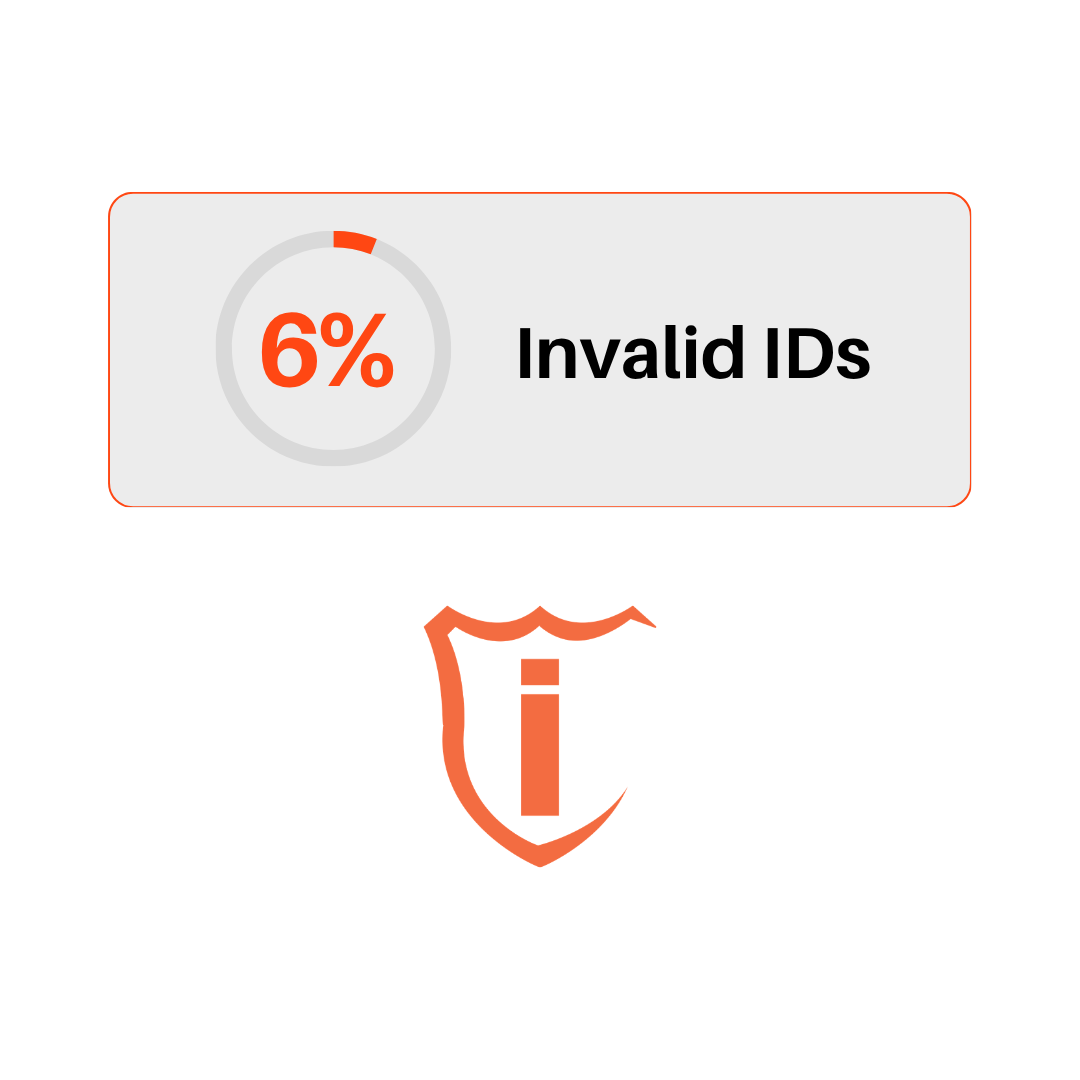
STATISTICS DRAWN FROM THE IFACTS 2026 EMPLOYEE SCREENING TRENDS REPORT
A criminal record check can help employers identify relevant criminal history. However, a criminal record should not automatically be treated as a reason to reject a candidate. Employers should consider the nature of the offence, how long ago it occurred, the requirements of the role and applicable legal and fairness considerations.
Criminal screening can be particularly relevant for positions involving:
- Financial responsibility
- Vulnerable people
- Security
- Access to sensitive information
- High levels of trust
- Company assets
Why it matters:
It gives employers additional information to consider when assessing potential people risk.
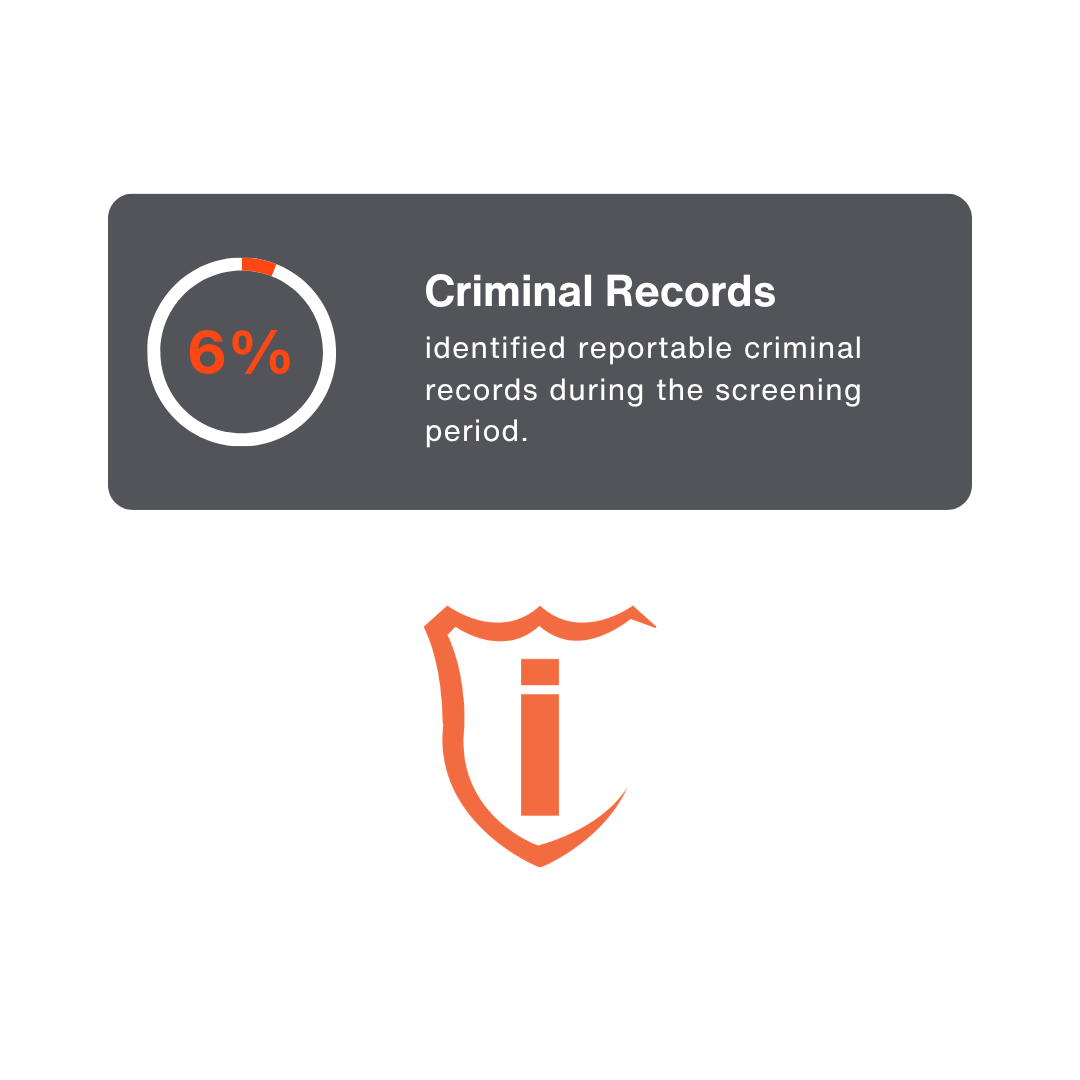
STATISTICS DRAWN FROM THE IFACTS 2026 EMPLOYEE SCREENING TRENDS REPORT
Candidates may list degrees, diplomas, certificates, matric results or other qualifications on their CVs. Qualification verification helps establish whether the qualification exists and whether the information supplied by the candidate is accurate. This can be particularly important when a qualification is a requirement for the position.
For example, an organisation hiring a professional should not necessarily rely on a CV statement that says: “Bachelor’s degree completed.”
The qualification should be verified with the relevant institution or through an appropriate verification process.
Why it matters:
Falsified or misrepresented qualifications can affect hiring decisions, organisational reputation and, in some industries, regulatory compliance.
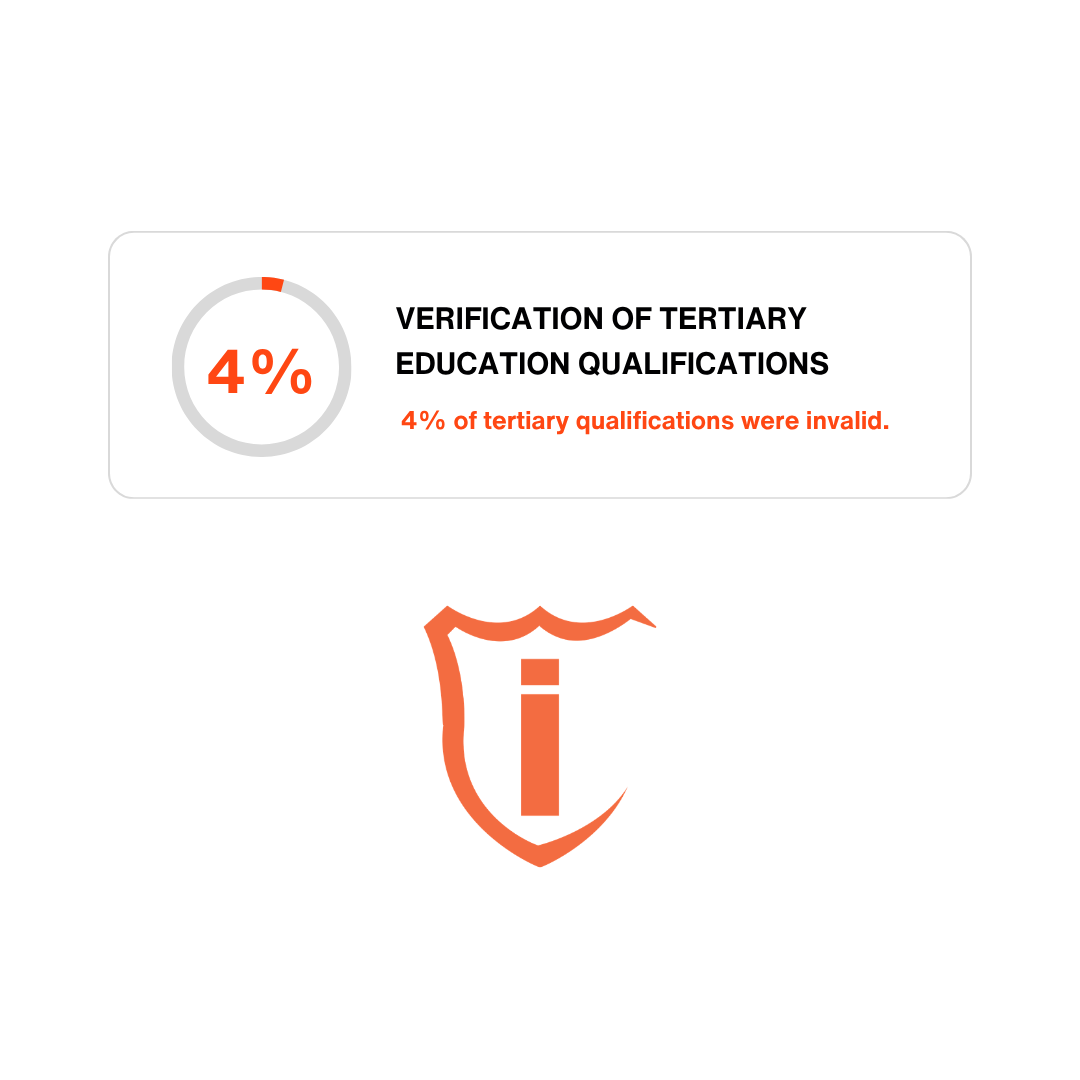
STATISTICS DRAWN FROM THE IFACTS 2026 EMPLOYEE SCREENING TRENDS REPORT
Employment verification confirms aspects of a candidate’s previous employment history. Depending on the verification process and information available, this may include details such as:
- Previous employer
- Position held
- Employment dates
- Reason for leaving, where available and appropriate
- Other employment-related information that can be legitimately verified
This can help employers identify inconsistencies between a candidate’s CV and their actual employment history.
Why it matters:
Candidates may exaggerate their job titles, length of employment or previous experience. Verification provides an opportunity to establish whether the employment history supplied is accurate.
Credit check screening may be relevant for certain positions, particularly where an employee will have significant financial responsibilities or access to financial information. However, credit checks should not simply be conducted because an organisation can conduct them. Employers should consider whether the check is relevant to the position and legally appropriate.
Why it matters:
Where appropriate, credit information can provide additional insight into financial risk associated with certain roles.
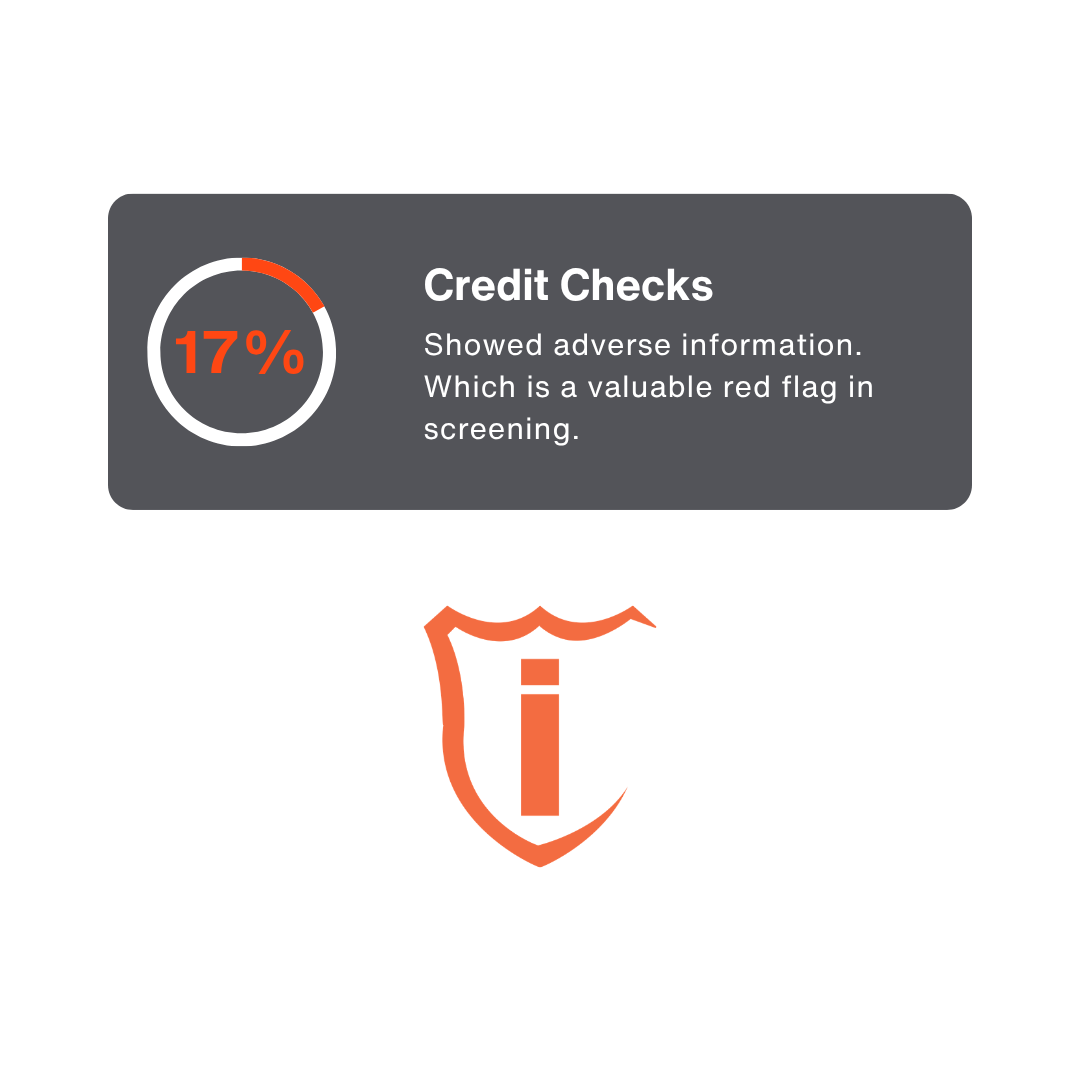
STATISTICS DRAWN FROM THE IFACTS 2026 EMPLOYEE SCREENING TRENDS REPORT
For employees who drive as part of their job, verifying a driver’s licence can be an important part of the screening process. A candidate may state that they hold a valid licence, but employers should establish whether the licence information is accurate and relevant to the requirements of the position.
This is particularly important for:
- Drivers
- Fleet employees
- Sales representatives
- Delivery personnel
- Field workers
- Employees operating company vehicles
Why it matters:
Allowing someone without the appropriate licence to drive for work can create safety, insurance, legal and operational risks.

STATISTICS DRAWN FROM THE IFACTS 2026 EMPLOYEE SCREENING TRENDS REPORT
For employees who are not South African citizens, verifying the individual’s right to work can be an important part of the recruitment process. This involves verifying relevant work authorisation or permit documentation.
Why it matters:
Employers need to ensure that employees have the appropriate authorisation to work and that documentation presented during recruitment is valid.
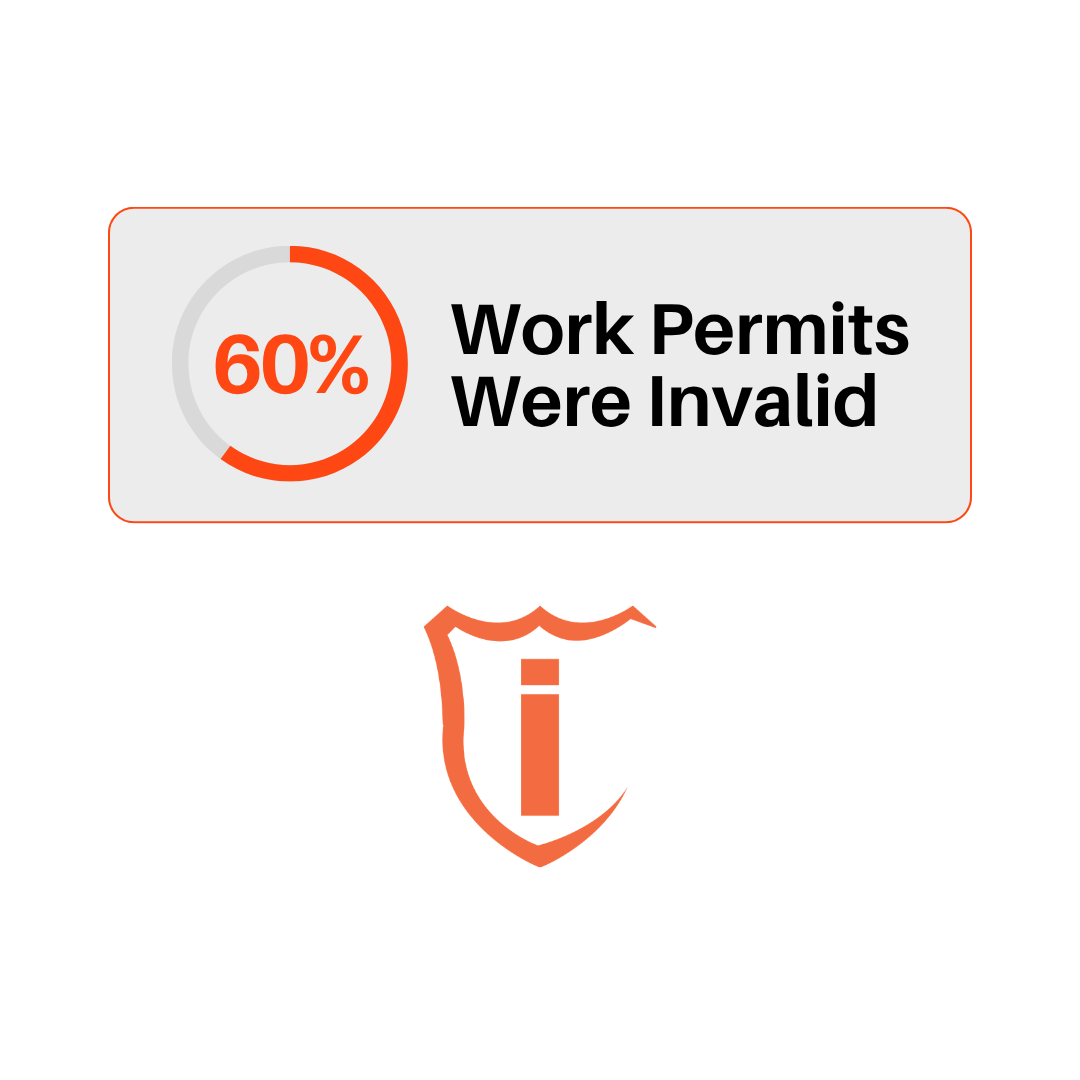
STATISTICS DRAWN FROM THE IFACTS 2026 EMPLOYEE SCREENING TRENDS REPORT
Certain professions and industries have specific registration or regulatory requirements. Depending on the position, screening may include verification with relevant professional or regulatory bodies.
Examples can include checks relating to:
- Security personnel
- Financial services professionals
- Teachers
- Healthcare professionals
- Other regulated occupations
For example, employers hiring security personnel may need to verify relevant PSIRA registration, while financial services organisations may need to consider FAIS and DOFA-related requirements where applicable.
Why it matters:
Employing someone who does not meet a required professional or regulatory standard can expose an organisation to significant compliance and operational risk.
Does every employee need the same background checks?
No.
This is one of the most important principles of effective employee screening. A background screening programme should be risk-based and role-specific.
For example, consider three different positions:
Call centre employee
Potentially relevant checks could include:
- Identity verification
- Criminal record check
- Employment verification
- Qualification verification
Financial services employee
Additional checks may include:
- Identity verification
- Criminal record check
- Qualification verification
- Employment verification
- Credit screening
- FAIS/DOFA-related verification
Professional driver
Relevant checks could include:
- Identity verification
- Criminal record check
- Employment verification
- Driver’s licence verification
- Other role-specific checks
The objective is not to conduct every possible check on every candidate.
The objective is to conduct the right checks for the risk associated with the role.
When should background screening take place?
Background screening is commonly conducted before employment, particularly where the checks are relevant to the role and form part of the organisation’s recruitment process.
However, screening does not necessarily have to end once someone has been hired.
For certain positions, organisations may also consider ongoing screening or periodic re-screening, particularly where employees have continuing access to:
- Financial assets
- Sensitive information
- Vulnerable people
- Critical systems
- Regulated activities
The appropriate approach will depend on the organisation, the position and the relevant legal and compliance requirements.
What should employers look for during a background check?
The most important question isn’t simply:
“Does this candidate have something in their background?”
Instead, employers should ask:
“Is the information accurate, relevant to the role and something we need to consider when assessing this candidate?”
For example, discovering a discrepancy doesn’t automatically mean that a candidate is unsuitable.
The information should be considered in the context of the role, the organisation’s requirements and the relevant legal and fairness considerations.
Is Employee Background Screening Covered By POPIA?
Background screening involves the processing of personal information, so organisations need to consider their obligations under POPIA and ensure that personal information is processed lawfully, appropriately and for a legitimate purpose.
Employers should therefore consider the relevance and purpose of the information being collected as part of their screening process.
Frequently Asked Questions
What is included in an employee background check?
An employee background check can include identity, criminal record, qualification, employment, credit, driver’s licence, work permit and professional or regulatory checks. The checks conducted should depend on the requirements and risks associated with the role.
How long does employee background screening take?
The time required depends on the type and number of checks, the information available and the relevant verification sources. Some checks can be completed relatively quickly, while others may require additional verification.
Should every employee undergo the same background checks?
No. Screening should generally be based on the requirements and risk profile of the position. A financial services role, for example, may require different checks from a position that does not involve financial responsibility.
Can an employer verify a candidate’s qualifications?
Yes, qualification verification can be conducted to establish whether qualifications supplied by a candidate are authentic and accurately represented.
Can employers conduct criminal record checks?
Criminal record screening may form part of an employee screening process, subject to applicable legal requirements and the relevance of the check to the position.
Why is identity verification important?
Identity verification helps establish that the individual being screened is the person they claim to be. It provides an important foundation for other screening checks.
When should employee background screening be conducted?
Background screening is commonly conducted before employment. Depending on the role and risk involved, organisations may also consider ongoing screening or periodic re-screening after employment begins.
Is background screening covered by POPIA?
Background screening involves processing personal information, so organisations need to consider their obligations under POPIA and ensure that personal information is processed lawfully, appropriately and for a legitimate purpose.
What is the most important background check for an employee?
There is no single background check that is most important for every employee. The appropriate checks depend on the role, industry, level of risk and information relevant to the hiring decision.
Making smarter hiring decisions with employee screening
A strong recruitment process does not end with an interview.
Employee background screening gives organisations an additional layer of verification, helping them establish whether important information provided by candidates is accurate and whether there are role-specific risks that should be considered before making a hiring decision.
The right screening programme is not necessarily the one with the most checks. It is the one that conducts the right checks for the right roles, for the right reasons.
iFacts helps organisations verify candidate information through employee background screening and verification services designed to help reduce people risk and support more informed hiring decisions.
Looking to strengthen your employee screening process?
Contact iFacts to discuss the checks most relevant to your organisation and workforce.